Discover how linehaul offices serve as the backbone of modern shipping operations, orchestrating the complex dance of global package delivery. These specialized logistics hubs ensure millions of packages reach their destinations efficiently through seamless transitions between different transportation methods.
Understanding the Linehaul Office in Shipping
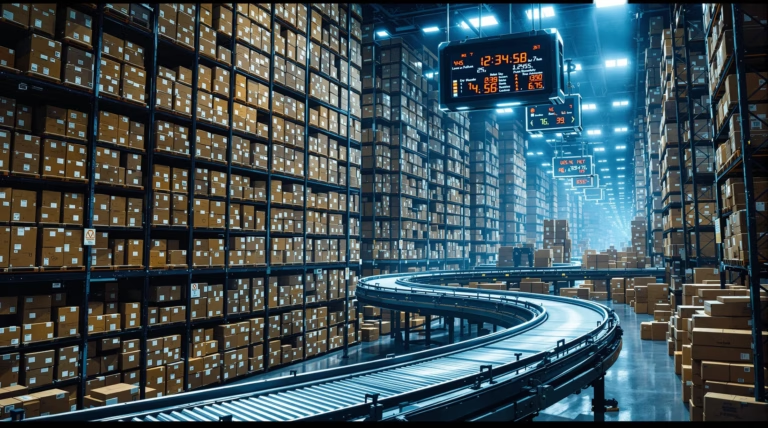
In the intricate web of global shipping and logistics, a linehaul office functions as a specialized facility where packages transition between different transportation modes. Unlike traditional office spaces, these facilities serve as dynamic hubs where shipments move between ships, trains, trucks, and planes, forming a crucial link in the supply chain.
With the exponential growth of e-commerce, these facilities have become increasingly vital, processing millions of packages daily through optimized routes and coordinated carrier networks.
What is a Linehaul Office?
A linehaul office operates as a sophisticated logistics facility equipped with:
- Advanced sorting systems
- Multiple loading docks
- Coordination centers
- Package transition points
- Strategic positioning within shipping networks
Role of the Linehaul Office in the Shipping Process
These facilities serve dual functions as sorting centers and routing hubs. Staff members perform detailed sorting based on:
- Final destinations
- Package classifications
- Delivery priorities
- Special handling requirements
- Transportation mode compatibility
Key Functions of the Linehaul Office
Linehaul offices maintain the delicate balance between efficient operations and quality control, directly impacting delivery success and customer satisfaction. These facilities process thousands of packages daily while maintaining precise tracking information throughout the journey.
Sorting and Consolidation of Packages
| Function | Capability |
|---|---|
| Daily Processing Volume | Up to 500,000 packages |
| Sorting Criteria | Destination, priority, size, weight |
| Technology Used | Automated conveyors, barcode scanners, AI algorithms |
Optimizing Routes and Reducing Transit Times
Through sophisticated logistics management software, linehaul offices analyze multiple variables to determine optimal shipping routes:
- Distance calculations
- Real-time traffic patterns
- Weather conditions
- Fuel efficiency metrics
- Delivery deadline requirements
- Cross-border documentation needs
These optimization efforts can reduce average transit times by 1-3 days compared to non-optimized routes, providing significant value to both shipping companies and their customers.
Challenges Faced by Linehaul Offices
Linehaul offices, while essential to global shipping networks, face substantial operational challenges that affect delivery efficiency. These facilities process hundreds of thousands of packages daily, particularly during peak seasons, creating intense pressure on infrastructure and staff. The transition of packages between different transportation methods can transform minor disruptions into significant logistical issues.
Global supply chains have become increasingly intricate, requiring linehaul offices to:
- Coordinate with multiple carriers seamlessly
- Navigate complex customs requirements across countries
- Adapt to dramatic volume fluctuations during holidays
- Meet rising customer expectations for faster deliveries
- Maintain balance between speed and accuracy
Common Causes of Delays
| Delay Factor | Impact |
|---|---|
| Package Missorting | Additional days for rerouting and correct delivery |
| Technical Issues | Bottlenecks in scanning and tracking systems |
| Peak Seasons | 40-60% volume increase above normal levels |
| Weather Events | Transportation network slowdowns or stoppages |
| Customs Inspections | Unpredictable delays due to documentation checks |
Strategies to Manage Delays
Modern linehaul offices employ sophisticated approaches to maintain efficient operations during challenging periods. Advanced predictive analytics enable logistics managers to forecast and prevent potential bottlenecks by analyzing historical data and current trends.
- Dynamic rerouting systems that automatically redirect packages around congestion
- Redundant systems and backup procedures for technical failures
- Alternative scanning methods when primary systems are down
- Cross-trained staff capable of shifting between roles as needed
- Contingency transportation arrangements for carrier disruptions
Tracking and Delivery from the Linehaul Office
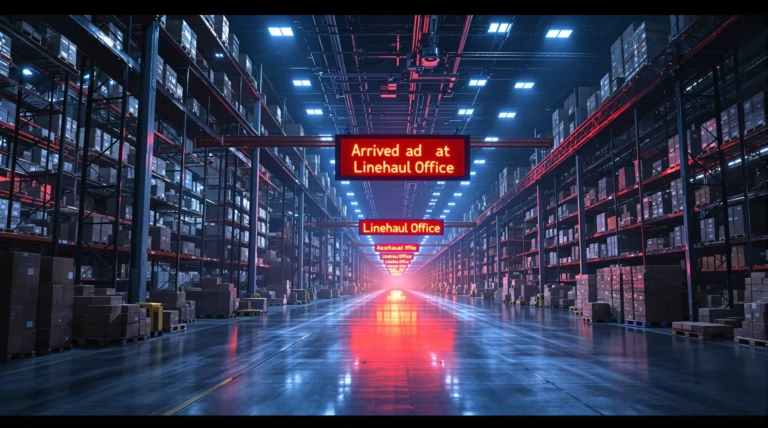
When packages arrive at a linehaul office, they enter a crucial phase where tracking systems monitor their progress and prepare them for the next transportation segment. These facilities serve as major distribution centers where packages receive the ‘Arrived at Linehaul Office’ status, indicating their successful transition between long-distance and local delivery networks.
How Tracking Information is Updated
Linehaul offices utilize advanced scanning technologies to maintain accurate package tracking:
- Initial intake scans that trigger the ‘Arrived’ status
- Multiple touchpoint scanning throughout processing
- Automated scanning tunnels processing hundreds of packages per minute
- Real-time data transmission to central tracking systems
- Special tracking updates for international shipments clearing customs
Estimated Delivery Times and Customer Expectations
When a package registers at a linehaul office, delivery time estimates become significantly more precise. The initial broad delivery windows, which account for variables like customs clearance and international transit, narrow down considerably after linehaul scanning. The typical delivery timeframes after linehaul processing are:
| Shipment Type | Expected Delivery Time |
|---|---|
| Domestic Packages | 1-3 business days |
| International Packages | 2-5 additional days |
Modern customer expectations have evolved substantially regarding delivery transparency. In response, leading carriers have enhanced their communication systems to provide:
- Real-time tracking updates from linehaul facilities
- Precise delivery windows post-linehaul processing
- Delivery date guarantees after linehaul scanning
- Detailed status notifications
- Enhanced visibility throughout the shipping journey
For customers monitoring time-sensitive shipments, understanding the linehaul office’s role helps establish realistic expectations and reduces concern about perceived delays when packages show this status. The increased predictability at this stage has become a cornerstone of modern shipping reliability.